
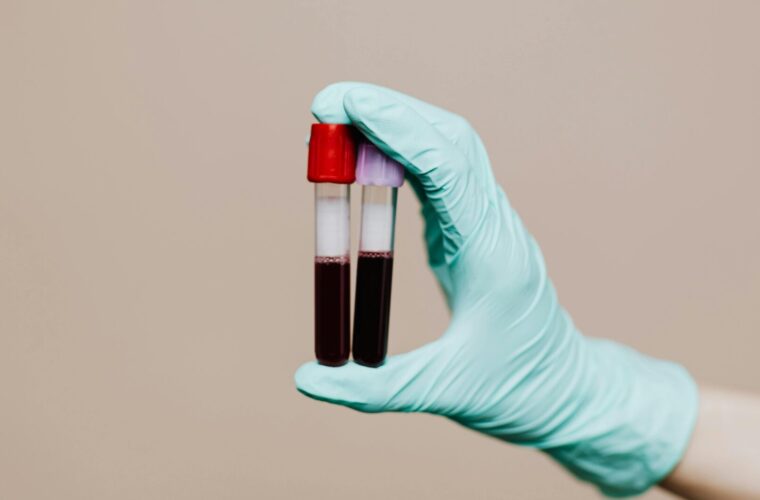
This morning I had routine blood tests — something that, for most people, barely registers as a notable event. A quick appointment, a small needle, and then back to the day. For transplant patients, however, blood tests are far more than routine. They are a constant, quiet part of ongoing care.
For anyone unfamiliar with transplantation, regular blood checks are essential for monitoring how a transplanted organ is functioning. They help clinicians assess everything from organ health and immune response to medication levels and early signs of infection or rejection. These tests allow potential issues to be spotted early, often long before symptoms appear.
In that sense, blood tests are protective. They are not about something going wrong — they are about ensuring things continue to go right.
For transplant recipients, though, blood tests can carry a weight that’s hard to explain. Each appointment brings a mix of reassurance and uncertainty. Numbers matter. Results matter. And while many tests come back stable and unremarkable, there is always an awareness that these small vials of blood hold important information about your health and future.
Over time, this becomes part of life.
There’s a duty of care that comes with a transplant — not just from medical teams, but from the recipient themselves. Routine blood tests are one of the ways we honour the extraordinary gift we’ve been given. They are an act of responsibility, respect, and gratitude. They represent commitment: to follow guidance, to attend appointments, and to look after what has been entrusted to us.
Blood tests are also a reminder that transplantation is not a one-off event. It is an ongoing partnership between patient and healthcare team. It involves vigilance, communication, and trust. The checks, appointments, and monitoring are all part of sustaining the life that donation made possible.
For the wider public, this aspect of transplant care often goes unseen. The dramatic moments — surgery, recovery, transformation — tend to dominate the narrative. But it’s the quiet, routine care that sustains everything afterwards. The early mornings, the clinic visits, the blood tests that mark time and progress.
Today’s appointment reminded me that ongoing care isn’t something to resent. It’s something to be grateful for. It represents expertise, structure, and support. It means that someone is watching carefully, intervening early, and helping ensure the best possible outcomes.
Routine blood tests may be small moments, but together they form the foundation of long-term transplant health. They are part of living forward — carefully, consciously, and with deep appreciation for the gift that made it all possible.